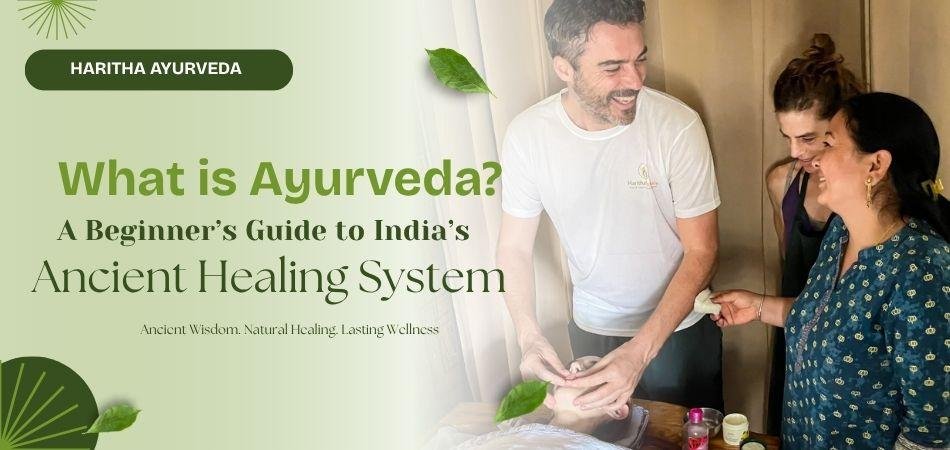
Ayurveda is known as one of the most ancient holistic healing systems. Born in India, Ayurveda is 3,000 to 5,000 years old and uses holistic ways to treat the human race. The word Ayurveda is a combination of two Sanskrit words: Ayur, meaning life, and Veda, meaning science or knowledge. So the science of life is the definition of the word Ayurveda. Ayurveda is also mentioned in the ancient Indian scriptures known as the Vedas. Atharva Veda openly talks about the various diseases and their natural remedies. The Ayurveda Centre in Rishikesh and other parts of India imparts this Ayurvedic wisdom to the world!
Ayurveda has always been used as a natural healing practice in India. It is also gaining importance across the world due to its Safe medication methods. As per the traditional beliefs, the Ayurvedic wisdom was introduced by the creator of the universe, known as Brahma in Hinduism, and it was later passed down to great saints and prominent sages through generations. As time passed, this wisdom was structured and classified into various Ayurvedic texts like Sushruta Samhita and Charaka Samhita.
Now, Sushruta Samhita is known for detailed descriptions of anatomy, surgical instruments, and surgeries used by the ancient surgeons. Similarly, Charaka Samhita also mentions internal medicines, natural remedies, diets, and how lifestyle can change and enhance our immune system. It's not about quick relief or temporary medication. It is about finding the inner balance and treating the ailment from the root cause. It is about balancing the three pillars of our life: body, soul, and mind.
Ayurveda emphasises preventing an ailment rather than just treating it. In this blog, we will understand everything about this tranquil method of healing the human body physically, emotionally, and mentally.
How Does Ayurveda Work?
The ancient science of Ayurveda works by discovering the root cause of any ailment or imbalance going through in the body. Unlike the modern medicine system, it does not just work on treating the symptoms to give quick relief, but it dives deep into the human body to identify the root of the problem. When you enter any Ayurvedic centre in Rishikesh or any other part of India, you will go through a step-by-step treatment.
Firstly, an Ayurvedic practitioner will study your body type. He or she will understand the diet you follow, the lifestyle, and the environment you live in. Now, based on these readings, the root cause of your ailment is diagnosed using the various Ayurvedic diagnostic processes. Now, the treatment is designed to restore the harmony within you using:
Ayurvedic herbs and medicines
Lifestyle modifications and changes
Diet charts
Natural therapies like Panchkarma, and
A good holistic daily routine.
Ayurveda strongly focuses on preventive care rather than just subsiding the symptoms. It encourages the individual to adopt Ayurveda as a lifestyle, which helps in gaining long-term benefits and overall well-being. Ayurveda focuses on rebalancing our whole system that often gets disturbed due to the sedentary lifestyle we are living in modern days. It helps humans by fixing the imbalance and tuning our mind, soul, and body at the natural level. levels. Therefore, Ayurveda not only aims to cure diseases but also ensures long-term wellness and harmony within.
In short, Ayurveda follows:
- The proper diagnosis of the root cause
- Reading the imbalance within the patient that is causing the disease.
- Treatment planning for regaining the balance
- Diet modifications, Lifestyle changes, Therapies, and Ayurvedic Medicines.
- Follow ups
Main Principles of Ayurveda
The major Ayurvedic principles are as follows.
- Doshas
Ayurveda says that the human body is made up of three energies known as Vata, Pitta and Kapha. These three are known as Tridoshas running our body and deciding our physical and psychological traits. Vata is known as a dosha that regulates the movement in the human body. It controls circulation, the nervous system, breathing, etc. Pitta is known to regulate our metabolism, digestion, body temperature and more. Kapha is known to decide the structure, stability, and lubrication in the human body.
When these three doshas lose their balance due to a sedentary lifestyle or any other modern factor, then our body starts getting prone to various kinds of diseases and ailments. Tridosha or the energy centres often get disturbed due to poor diet, stressful lifestyle, seasonal changes, unhealthy habits or poor dinacharya.
So Ayurveda uses various medicines, therapies, and diet modification to balance the doshas. When doshas are properly balanced, we are away from any kind of disease.
- Ama or toxins
Now, another major principle of Ayurveda is Ama. Ayurveda says that our body gets sick due to the accumulation of toxins in the body. Our poor lifestyle, poor diet, stressful and hectic schedules, and improper food habits often lead to toxin accumulation within us. When the toxins are piled up in the human body, it weakens our immunity and other body systems.
This leads to various health issues. These health issues are not only physical but also emotional and mental. Ayurveda works by removing toxins using natural therapies and medications, and treats any ailment from the root cause. When our body is free from toxins, we are healthy and shielded from any kind of ailment.
- Agni
Another important Ayurvedic concept is the digestive fire. Ayurveda calls it Agni. Agni regulates our digestion and metabolism. When we lead an improper lifestyle, our Agni gets disturbed. When Agni is strong, our body digests the food properly and also helps in eliminating the toxins from our body naturally.
Any disturbance in the digestive system leads to poor immunity and poor metabolism. This becomes the root cause of any kind of ailment in the human body. Ayurveda works by detoxifying the body and strengthening the digestive fire or Agni. When our digestion is strong, our body is protected from any kind of disease or problems.
Therapies like Panchakarma are used to clean the gut and ensure good gut health. Ayurveda is a holistic approach that not only aims to cure disease but also helps in promoting good digestive health.
- Dincharya and Prakriti
Now, next comes Dinacharya and Prakriti. According to Ayurveda, every individual has a unique Prakriti or the body constitution, which consists of three fundamental energies or three Doshas that we talked about above. Every Prakriti is different.
For example, some individuals have Kapha domination, while others have Pitta or Vata domination. No one is the same in their body constitution. Therefore, every treatment, every therapy is customised as per the individual body type or Prakriti. Now, Dinacharya means the daily routine! Ayurvedic principles speak a lot about certain routines that one must follow to stay connected with our natural roots.
When we are connected to nature, our biological clock, our biological vibrations are connected, are set at a default natural tune, which shields us against any kind of modern time illnesses.
Therefore, when you are leading an Ayurvedic lifestyle, you must follow certain Dinacharyas or routines to aid healing. Ayurveda is not a treatment, but a lifestyle that has been followed since ancient times to stay healthy naturally.
Components of Ayurveda Treatments
Ayurveda treatments are not just about eating medicines twice or thrice a day. It is much more like a whole lifestyle that transforms one, ensuring wholesomeness and longevity. No,w let's see what the components of Ayurveda are.
- Ayurvedic Herbs
In Ayurvedic medicine, to treat an illness, Ayurveda uses herbal medicines which are made up of Jadi Booti or Ayurvedic herbs. These medicines target the root cause of the illness. Medicines are mostly focused on rebalancing the disturbance inside the human body. These medicines work at the root cause and ensure long-term benefits.
Ayurvedic medicines are generally safe compared to modern medicines. These do not contain any kind of chemical and are purely made up of herbs, purely made up of herbs. One medicine is not for all. Ayurvedic medicine depends on one's body type and problem. Therefore, the preparations, the oils, and the herbs are customised as per the individual's problem.
- Ayurvedic Therapies
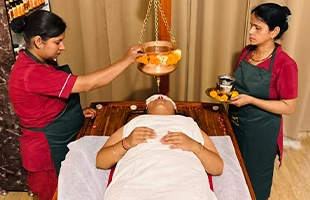
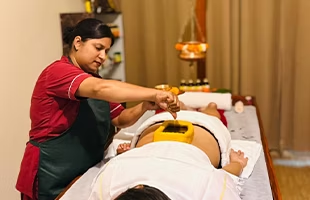
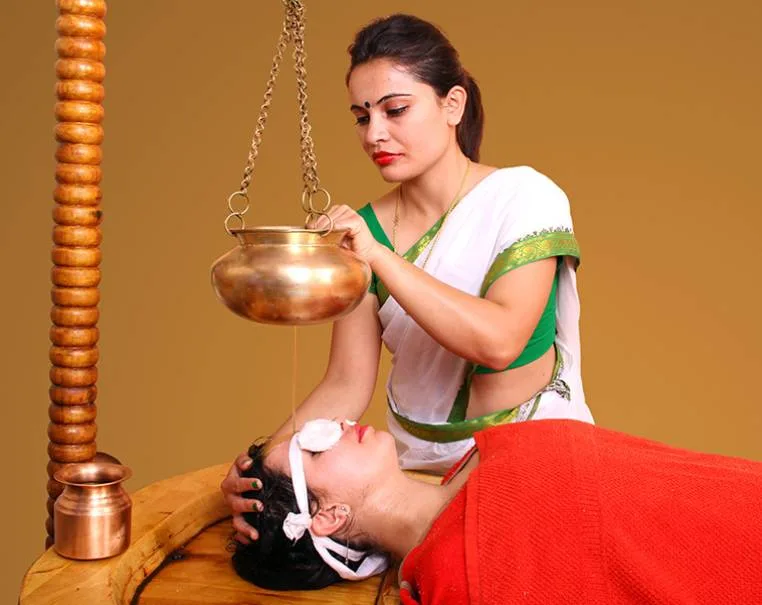
Ayurveda is known for various therapies like Abhyanga, which is a whole body oil massage, or Panchkarma, which is the integration of five most effective Ayurvedic therapies focused on detoxifying the whole body. Such therapies are used to remove Ama from the body and balance the energy centres or three doshas. When our body is free from Ama and our doshas are balanced, our body becomes naturally healthy, and all the ailments fade away. Ayurvedic therapies are not only healing, but are also rejuvenating and help to remove any kind of stress or imbalance from the human body.
- Ayurvedic Food
Now, when you are undergoing an Ayurvedic treatment, you will be given a diet chart. This diet modification is an important part that plays a major role in healing the human body through Ayurveda. What we eat matters a lot. During the treatment, Ayurveda only works when we are on a good and healthy diet. Ayurveda supports a sattvic diet that keeps the body clean, light, and healthy. Ayurvedic diet focuses on improving gut health, which is the major cause of several illnesses and modern times ailments.
- Ayurvedic Lifestyle
Now Ayurveda also suggests some lifestyle modifications, like waking up early, sleeping early, yoga sessions, meditation, and other holistic ways of living. When we adopt an Ayurvedic lifestyle, our body starts healing on its own. Ayurvedic lifestyle supports the whole treatment and helps in managing modern-day stress and anxiety. It not only makes us physically healthy, but also strengthens our mental capacity and removes any kind of emotional baggage. It eliminates stress and anxiety and ensures a peaceful and healthy living.
Benefits of Ayurveda
- Ayurveda is a natural healing system that makes use of herbal plants and therapies, ensuring a treatment that is gentle and holistic.
- Ayurveda helps in rebalancing and harmonising our body, soul and mind, which ensures long-term health and wholesomeness.
- Ayurveda focuses on dinacharyas, diet, and lifestyle, which are a great natural way of preventing any kind of modern-day illnesses.
- Ayurveda helps in improving gut health and metabolism, which regulates our digestive fire and helps in proper absorption of food, leading to robustness and good health.
- Ayurvedic therapies like Panchkarma help in removing toxins naturally and restoring the inner balance.
- Ayurveda helps in boosting immunity through daily lifestyle practices, therapies and natural medicines that strengthen our immunity.
- Ayurveda offers personalised treatment as it says that everybody is not the same.
- The body constitution of every individual varies, and the root cause of every problem is different. Therefore, when in Ayurveda, you get personalised care and treatment.
- If we compare Ayurveda with other medicine systems prevalent these days, then Ayurveda offers treatments with fewer or no side effects. Ayurveda is generally considered safe even in the long term.
- Ayurveda not only offers Ayurvedic medicines, therapies or treatment, but also emphasises other holistic practices like yoga, meditation and Pranayama. This helps in strengthening our mental health, which is also connected to our physical and emotional health.
- Ayurveda teaches us the right way of eating. It teaches us which food is suitable for our body type and which are not. It helps in making the right lifestyle and food choices that help us in the long term.
- Ayurveda prefers treatment methods that are non-invasive and do not. Include any that are non-invasive and chemical-free. Therefore, no matter how long you are on an Ayurvedic treatment, it's all safe and prevents any kind of damage to the body organs.
Why Rishikesh for Ayurveda?
- Rishikesh is known as the world's yoga capital, but besides yoga, it is also associated with the ancient Vedic learning.
- Rishikesh is known as the land of Rishis or sages. Ancient Rishis practised yoga, Ayurveda and meditation here, which has made Ayurveda a legacy.
- Residing in the lap of the Himalayas, Rishikesh offers historical access to medicinal herbs, which are used in Ayurvedic medicines.
- The environment of the place speaks a lot about the centuries-old Ayurvedic and holistic practices. Rishikesh is a place where great saints and yogis practised, besides practising holistic living on the banks of the river Ganges. This offers a perfect spiritual environment to learn and practice Ayurveda.
- The culture of Rishikesh still preserves the spirituals and sacred sciences like yoga, meditation and Ayurveda, and passes this wisdom to the students coming from all over the world.
- During the last few decades, Rishikesh has become the most preferred global centre for learning holistic living through yoga, Ayurveda, sound healing and other practices. Therefore, it is considered the best place to learn holistic living.
- The teachers and Ayurvedic centres in Rishikesh are certified and offer the most authentic learning and the mentorship of profound Ayurvedic gurus.
- The food and stay offered by Ayurvedic centres in Rishikesh, India compliments your journey of holistic living and learning.
Courses offered at Ayurveda Centre in Rishikesh, India
The Ayurvedic centres in Rishikesh offer a variety of Ayurvedic courses to national and international learners. People visit Rishikesh. The short-term courses, the short-term Ayurvedic courses in Rishikesh and the long-term Ayurvedic courses in Rishikesh are preferred by the learners coming from across the globe. Some of the best courses that Rishikesh offers to its learners are as follows:
- Ayurveda cooking course in Rishikesh
- Ayurveda massage course in Rishikesh
- Ayurveda massage and therapy courses in Rishikesh
- Long-term diploma in Ayurveda in Rishikesh
- Ayurveda teacher training course
- Panchkarma course
- Ayurvedic sessions
- Personalised Ayurvedic treatments
- Ayurvedic beautician course, and a lot more.
Conclusion
Ayurveda is an ancient healing method that originated in India to heal the human race holistically. In modern times, Ayurveda has regained the limelight due to its safe and holistic ways of healing and treating modern illnesses. Rishikesh is known for its certified Ayurvedic gurus, the most authentic Ayurvedic traditions, and an environment that supports Ayurvedic treatment and healing. So, if you are looking for any Ayurvedic course or Ayurvedic treatment plan, then Rishikesh is the best place for you. Be it a short-term or a long-term course, Rishikesh offers the right kind of holistic experience that stays with you forever. Here, Ayurveda is not just a treatment, but a whole way of living!






Comments (0)