

Ayurveda is a lot more than just an ancient system of medicine in India. It is a full-fledged science that has been used for years to live a healthy, natural life. The different texts of Ayurveda hold much more wisdom than we can see just with our bare eyes. Ayurveda is the most intelligent science if we understand it and practice it properly. Ayurveda teaches us how to stay healthy without depending on modern medicines and surgeries through natural ways like dincharya!
By simply following some basic daily routine as explained in Ayurveda, one can attain a long, healthy life. This ancient healing science teaches us how we can maintain a healthy balance between the three important pillars of our life, that is, body, mind and senses and soul. It offers us some lifestyles and routines that can help in protecting the human body against the various modern-day diseases and problems. Dincharya is one of the most important concepts used in Ayurvedic lifestyle that must be followed to live a healthy life.
What is Dinacharya?
Dinacharya is made up of two terms, where Dina means ‘day’ and Acharya stands for ‘activities’ or ‘conduct’. Therefore, Dinacharya means a particular kind of conduct or discipline that has to be followed every day. This is just like a structured daily Ayurveda routine that helps in gaining mental, emotional, and physical clarity and balance. Following Ayurvedic Dinacharya also helps in spiritual awakening and well-being.
Ancient texts of Ayurveda, like Charaka Samhita, Sushruta Samhita, and more, emphasise Dinacharya as a major part of any Ayurvedic treatment. Whether you are adopting an Ayurvedic lifestyle for prevention or as a cure, it is incomplete without following a proper daily routine. When dincharya is followed, it helps us to attain a healthy digestion, good immunity, great energy, quality sleep, and longevity. When we fail to follow routines in life, our body energies start losing balance. This disturbs doshas and causes various ailments. This is where Ayurvedic dincharya helps.
- Why is Ayurvedic Dinacharya so important?
- What are the Daily Cycles in Dinacharya?
- How to Know Your Dosha in Ayurveda - A Detailed Guide
- What are the ideal Ayurvedic lifestyle habits for health and wellness?
- 1. Brahma Muhurat Ritual
- Benefits of walking in Brahma Muhurat
- 2. Ritual of Ushapana
- Benefits of Ushapana
- 3. Malotsarga
- Malotsargha Benefits
- 4. Dantadhavana
- 5. Jihwa nirlekhna
- Benefits of tongue scraping:
- 6. Oil pulling
- Benefits of oil pulling:
- 7. Anjana or Eye Care
- Benefits of Anjana:
- 8. Nasal cleansing or nasya
- Benefits of Nasya:
- 9. Abhyanga Massage
- Benefits of Abhyanga:
- 10. Vyayama or Yoga
- Benefits of Vyayama
- 11. Meditation and Pranayama
- Benefits of Pranayama:
- 12. Snana or daily bathing
- Benefits of Snana:
- 13. Sattvic Ahara
- 14. Avoiding Divasvapna
- What are the Sandhyakal Dincharyas?
- Final Thoughts
Why is Ayurvedic Dinacharya so important?
Ayurveda says that one should focus on prevention and should not wait for a cure. A disciplined Ayurvedic routine always protects the body from different kinds of imbalances and ailments. The modern lifestyle that we are living is very overstimulating and irregular. The hectic schedule degrades the sleep quality and fills our lives with constant stress.
The kind of food that we eat is processed, oily and spicy, which deteriorates our gut health. Too much screen time and lack of routine disturb the natural rhythm of the human body. Now, Dinacharya helps restore this natural rhythm and protect the body from various problems. Dinacharya helps us in aligning our activities as per nature's cycle because the non-routine modern lifestyle is leading to ailments at every age of humans.
What are the Daily Cycles in Dinacharya?
There are two types of cycles in an Ayurveda dinacharya.
- The Moon Cycle (6 p.m. to 6 a.m.)
- The Sun Cycle ( 6 a.m. to 6 p.m.)
During the moon-and-sun cycle, there are distinct periods of four hours each. Each period is for a particular dosha.
Now, doshas are the energies present in our body in various combinations. Every individual has a different combination of doshas. And this defines our individual body types. Therefore, these four-hour periods are for:
- Vata Dosha
- Pitta dosha, and
- Kapha dosha
How to Know Your Dosha in Ayurveda - A Detailed Guide
Therefore, dinacharya helps prevent activities that can imbalance these doshas.
Now, let's understand these two cycles:
First cycle is the sun cycle, that is (6 a.m. to 6 p.m) also known as the sunrise to sunset cycle11
6 a.m. to 10 a.m. is the time for KAPHA
10 a.m. to 2 p.m. is the time for PITTA
2 p.m. to 6 p.m. is the time for VATTA.
The second cycle, also known as the moon cycle, is from (6 p.m. to 6 a.m)
6 p.m. to 10 a.m.; it is the time for KAPHA
10 a.m. to 2 a.m. is the time for PITTA
2 a.m. to 6 a.m. is the time for VATTA
Now, Ayurveda has designed the dosha balancing routine or dincharya to keep all these doshas balanced. Every activity included in an Ayurvedic routine is curated to keep the body healthy and prevent any kind of imbalance in the doshas.
What are the ideal Ayurvedic lifestyle habits for health and wellness?

Now let's decode some of the most important and effective Ayurvedic dinacharyas as a sequence of Ayurvedic self-care that must be followed right from the morning until going to bed. Each practice has its own value in balancing the doshas and keeping the body free from toxins and stress. These are not just randomly picked activities, but every activity of the Ayurvedic routine has great scientific importance. So, let's uncover these valuable routines:
1. Brahma Muhurat Ritual

Ayurveda says one should wake up during the Brahma Muhurat, which is said to be the 90 minutes before the sun rises. Ayurveda says that early morning vata dosha is very active, which is wonderful for gaining clarity, creativity, mental alertness, and movement. Therefore, waking up early in the morning, 90 minutes before sunrise, taking a good walk during this cool period helps in improving emotional balance, mental abilities, and productivity throughout the day.
When we wake up late, then kapha increases, which causes heaviness, laziness, and poor digestion.
Benefits of walking in Brahma Muhurat
- Good mental clarity
- Better gut health
- Easy bowel movements
- Energy throughout the day
- Emotional strength and calmness
- Whole day productivity
2. Ritual of Ushapana

Ayurvedic morning routine includes Ushapana. It means that one should start the day by drinking lukewarm water after waking up in Brahma Muhurat. It helps to flush out all the toxins present in our body and clean the gut and digestive tract naturally.
Some Ayurvedic rituals say that we should store the water in a copper utensil and then drink it early in the morning. It also helps in purifying the whole body.
Benefits of Ushapana
- It helps in flushing out the deep-seated toxins from the body
- Stimulates the bowels
- Helps in staying hydrated
- Balances the metabolism naturally
- Prepare the gut for the whole day.
Cold water is not advised by Ayurveda because it can affect the digestive Agni.
3. Malotsarga
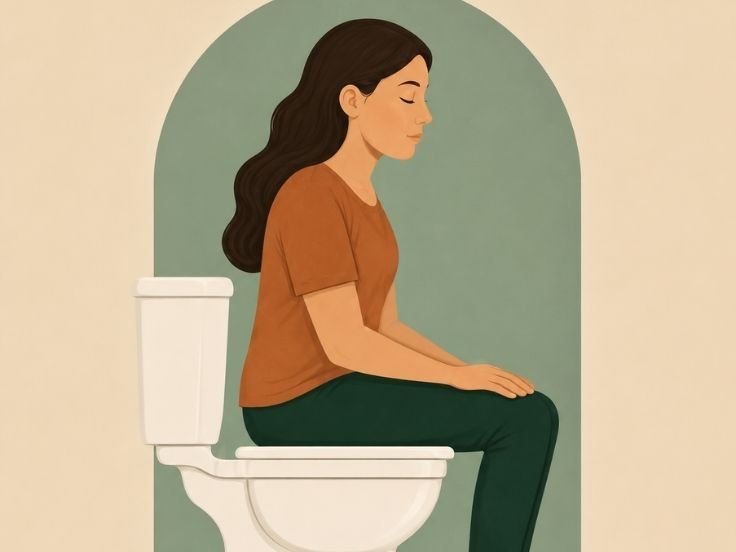
Malotarga, in Ayurveda, refers to lifestyle habits that promote natural elimination. When the waste is eliminated properly from the body, it is considered a good sign for health. After waking up and drinking lukewarm water, one should go and clear the bladder and bowels early in the morning to eliminate any kind of waste accumulated overnight.
Ayurveda suggests suppressing the elimination urges early in the morning because this can imbalance the vata dosha and can lead to diseases caused by vata dosha.
Malotsargha Benefits
- It protects from constipation
- Relieves bloating and gas
- Eliminates headache
- Clearer skin
- Better mental health
- Good digestive health
4. Dantadhavana
Now, oral hygiene is considered one of the most important parts of dinacharya because our gut health starts right from our oral health. Ayurveda recommends brushing the teeth early in the morning using herbal twigs or natural powders.
Some of the common herbal ways to brush the teeth are using neem, liquorice, babool, clove powder, and khadira.
5. Jihwa nirlekhna
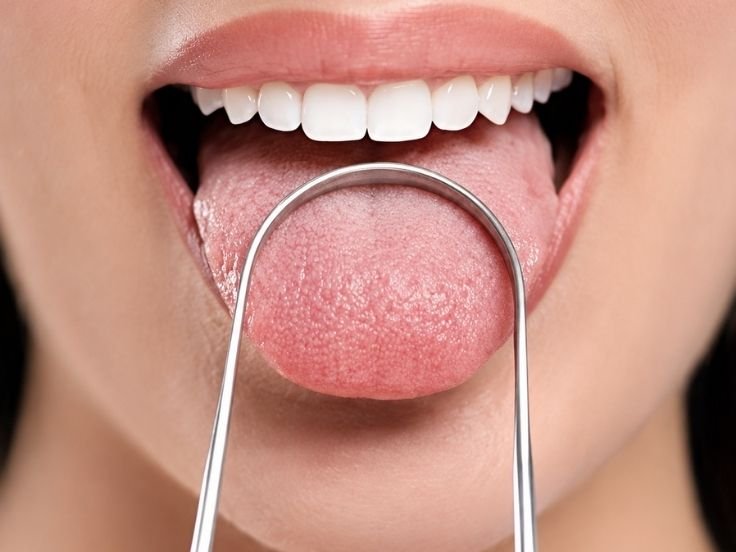
Jihwa nirlekhna stands for tongue scraping. The toxins and bacteria get coated on our tongue overnight. Toxins in Ayurveda mean Ama, which is another main cause of various diseases. Therefore, scraping the tongue early in the morning removes this coating of Ama and helps to keep the body healthy and clean.
Benefits of tongue scraping:
- Better taste
- Fresh breath
- Good gut health
- Toxin removal, and
- Oral hygiene
Make sure that you use stainless steel or copper tongue scrapers only.
6. Oil pulling

Gandusha and Kavala, or oil pulling, is one of the important parts of oral cleansing. In this, one has to swish the mouth using sesame oil for a few minutes.
Benefits of oil pulling:
- It helps in strengthening oral health
- It reduces the dryness
- Helps in maintaining oral hygiene
- Enhances the strength of the jaw
- Improves the voice
7. Anjana or Eye Care

Now, eye care practices are also one of the most important parts of the dincharya! It is advised that one should wash the eyes using cold water early in the morning, or you can use herbal preparations as well to maintain eye health.
Benefits of Anjana:
- Better vision
- Relaxation of the eyes
- Reduction in itchiness or irritation
- Nourishment of the eyes
8. Nasal cleansing or nasya

Nasya means the application of a herbal preparation by putting the herbal preparation into the nostrils. Ayurveda says that the nose is the passage to our head and brain. Therefore, keeping it clean and healthy is very important for good brain health.
Benefits of Nasya:
- Better respiratory system
- Better upper respiratory system
- Clarity of mind
- Good sinus health
- No dryness
- Good sleep quality
9. Abhyanga Massage

Abhyanga is the self-oil massage. Various Ayurveda courses also teach Abhyanga as one of the important parts of Ayurvedic self-care practice. Here, you have to use warm herbal oil to massage the body. It helps in nourishing the tissue and calming down the nervous system.
Benefits of Abhyanga:
- Improves circulation
- Improves blood circulation
- Reduction of stress
- Better skin
- Better joint health
- Good muscle building
- Better sleep quality
- Balanced vata
- Improves the signs of ageing
10. Vyayama or Yoga

Ayurveda says that movement is very important to keep the kapha dosha balanced. Therefore, you should start your day by including a small duration of Vyayama or yoga to prepare your body for the whole day.
Benefits of Vyayama
- Good digestion
- Better stamina
- Good blood circulation
- Full day energy
- Better metabolism
Vyayama includes yoga, walking, Surya Namaskar, stretching and more!!
11. Meditation and Pranayama

Another beautiful way to stay healthy is practising pranayama and meditation early in the morning.
Benefits of Pranayama:
- Motivates and promotes mindfulness
- Reduces stress
- Improves mental abilities like concentration
- Better focus
- Better emotional health
- Self-awareness
- Inner peace, and
- Better nervous system
- Spiritual Awakening
12. Snana or daily bathing
Ayurveda says that one should take a bath daily for cleaning the body and staying rejuvenated. It helps remove sweat and impurities from the body and keeps us healthy.
Benefits of Snana:
- Better circulation
- Good body alertness
- Relieves tiredness
- Good physical hygiene
- Refreshment to the senses
13. Sattvic Ahara

Ayurveda says that one should eat mindfully during breakfast because breakfast is an important part of the whole day. One should eat a healthy and balanced diet. Ayurveda says that the gut works the strongest when the sun is at its highest. Therefore, one should have a good breakfast as well as a balanced lunch to stay nourished.
At the same time, the dinner should be light and early because digestion slows down in the evening.
14. Avoiding Divasvapna
Ayurveda says that one should not sleep during the daytime because it can increase the Kapha dosha, which can lead to poor digestive health. When our gut is poor, it can lead to several diseases.
What are the Sandhyakal Dincharyas?
During the moon cycle, one should follow the evening routine. And this includes:
- Light meals
- Early dinners
- Family time
- Meditation
- Prayer time
- Abhyanga before bed
- Brushing after meals
- Gentle activities like walking after dinner, mental relaxation activities
- Timely and early sleep.
All this helps in balancing the hormones, stabilising our emotions, clearing our minds, improving immunity, physical recovery, and tissue repair. Late-night food or waking up can overstimulate the Vata and Pitta dosha, which can lead to diseases.
Final Thoughts
In today's fast-paced world, Ayurveda lifestyle habits and dincharya are some of the most powerful ways to stay healthy and prevent the various modern-day problems. Even a small change in your daily routine, like waking up early, daily yoga and pranayama, as mentioned in Ayurveda or practising self-care early in the morning and before bedtime, can help in transforming you inside out. Ayurveda is not a medicine, but it is a way of living healthily and holistically.
If you want to transform and rebuild yourself naturally, then our Ayurveda Courses in Rishikesh welcome you to a holistic journey!








Comments (0)