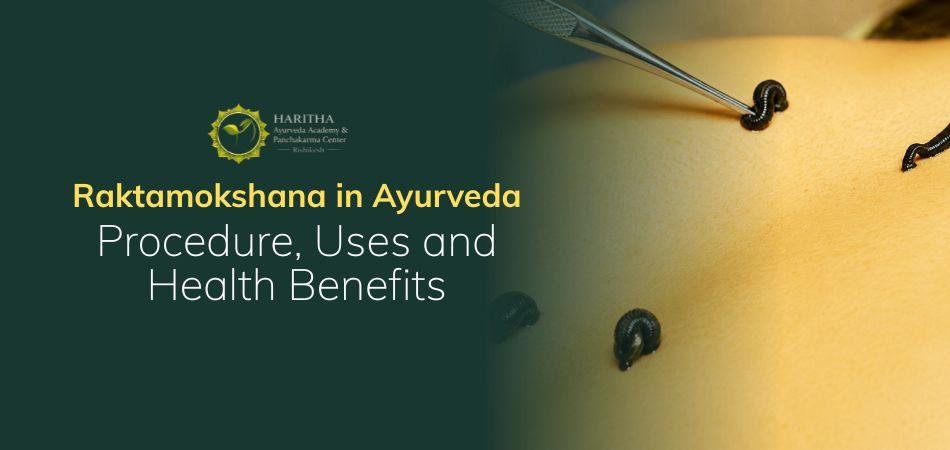
Ayurveda is the ancient healing science used in India. It has always been used as a holistic approach to healing the body, mind, and emotions. There are different therapies in Ayurveda that are really rejuvenating and have the power to heal any kind of modern-day ailments. One of such therapies is Raktamokshana. Raktamokshana is a lesser-known therapy, but its reputation for benefits in Ayurveda is tremendous.
Raktamokshana is also known as blood-letting therapy. This is a traditional method in Ayurveda to remove impurities from the blood. Ayurveda says that when the ‘Rakta Dhatu’ or blood becomes contaminated, it can lead to various health problems, such as inflammation, chronic diseases, swelling, skin disorders, etc.
Therefore, Raktamokshana Therapy has been used for ages to remove the impure blood from the human body. In this blog, we will explore everything about this ancient therapy that has benefited the human race for ages. To know the unknown facts of this therapy, stay tuned till the end.
- What is the meaning of Raktmokshana Therapy?
- What is the importance of Raktamokshana in Ayurveda?
- What is the concept of impure blood in Ayurveda?
- What are the different types of raktmokshana in Ayurveda?
- 1. Leech therapy
- 2. Venesection
- 3. Scarification
- 4. Shringa and Alabu Therapy
- What is the procedure of Raktamokshana?
- What are the benefits of Raktamokshana?
- What are the side effects of Raktamokshana therapy?
- Who should not take Raktamokshana?
- Final Thoughts
What is the meaning of Raktmokshana Therapy?
Rakt means Blood in Sanskrit, and Mokshana means releasing or liberating. Therefore, these two Sanskrit words came together to name this therapy. Raktamokshana means liberating or releasing the blood from the body. Here, the good blood is not released, but this therapy removes the impure blood to restore the inner balance.
You might be thinking of bloodletting as an intense idea, but Ayurveda describes it as a very careful and planned therapy procedure performed under the guidance of certified Ayurvedic practitioners and therapists. It is not a common therapy. This therapy is given only when it is needed the most.
For example, in the case of too much toxin accumulation in the blood, etc.
Bloodletting Therapy in Ayurveda is not for removing a lot of blood from the body. Instead, it aims at removing very small amounts of blood that contain the maximum toxins. This is a very healthy method and a natural way to purify the human body. The effect of this therapy is not limited to physical benefits; it also helps in dealing with mental and emotional disorders caused by this contamination in the body.
What is the importance of Raktamokshana in Ayurveda?
As per Ayurveda, there are different principles on which the body works.
The first one is the concept of three doshas!
This principle says that our body is a mix of Vata, Pitta, and Kapha. Every individual has a different constitution of these three doshas. This is what makes us unique. When any of these doshas become imbalanced, disease can occur.
Mostly, Pitta dosha is related to blood-related problems!!
This is why Raktamokshana has been used since time immemorial to balance Pitta dosha in order to ensure good and clear blood flow. When Pitta dosha aggravates, it can lead to poor blood tissue repair, leading to certain symptoms:
- Eruption of skin
- Itchiness
- Redness of the skin
- Feeling of burning
- Inflammation
- Recurring infections
- Localised pain
- Swelling
The second principle is Ama Accumulation! Toxins or Ama in the body lead to diseases. Raktamokshana helps eliminate toxins from the blood and clear it of excessive Pitta dosha. Raktamokshana never suppresses the symptoms temporarily, but it focuses on treating the ailment right from the root cause. This is the reason why Raktamokshana is only given when it becomes really important to clean the blood with this intensity.
What is the concept of impure blood in Ayurveda?
Earlier, people used to live in a very natural way, following the natural rhythm of nature. But as time passed and modernity set in, our lifestyle became sedentary, and our food habits included excessive amounts of spicy, oily food. We started living in stress. This led to poor gut health and excessive toxin accumulation in the human body. This disturbed the quality of our blood.
Ayurveda says that when Rakta Dhatu in the human body loses its balance, the body starts giving some warning signs. Some of the important signs that you should not ignore and can lead to chronic ailments are as follows. Sensitivity of skin, acne and breakouts, rashes, inflammation, body heat, and non-healing problems.
Ayurveda practitioners diagnose the constitution of an individual, imbalances in doshas, accumulation of ama, symptoms, gut problems, strength and overall well-being before recommending Raktamokshana Treatment.
What are the different types of raktmokshana in Ayurveda?
Ayurveda texts include various methods of offering raktmokshana. The selection of raktmokshana in Ayurveda depends on the type of disease, type of body, sensitivity of the body, body response to the treatment, age, and the affected area.
Here are some of the most used raktmokshana therapies in Ayurveda:
1. Leech therapy
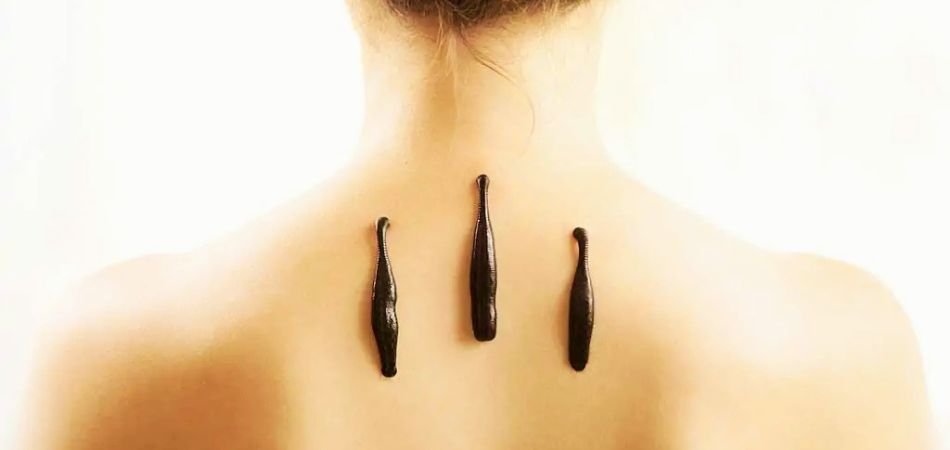
It is also known as jalaukavacharna. In this method, medicinal leeches are used on the human body. Medicinal leeches are placed on the human body in a certain way. These leeches suck the impure blood from the body, from the affected area. This is a gentler approach to rakta mokshana, and it is very traditional and preferred for those with a delicate build or those dealing with localised skin disorders, inflammation, and early-stage problems. After this process is completed, proper dressing is performed, and post-therapy care is provided.
2. Venesection
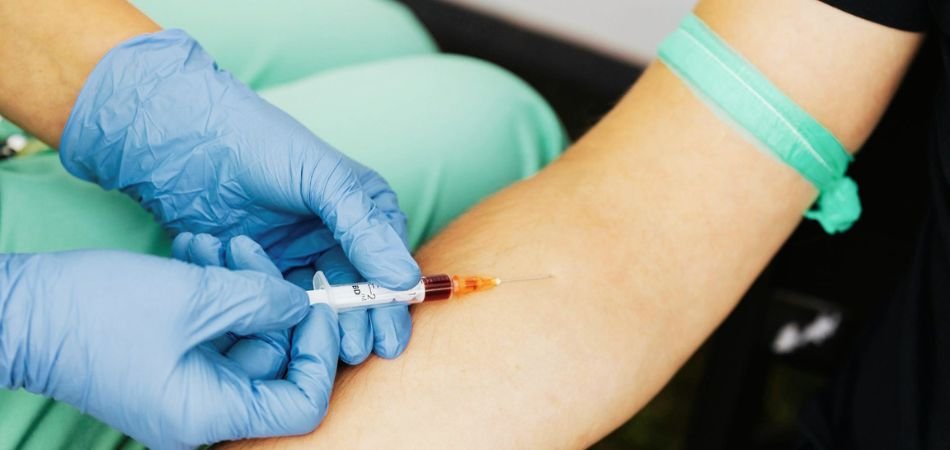
Venesection is also known as siravvyadha. It means controlled raktmokshana. This bloodletting is done through the veins and is a stronger form of the Raktamokshana therapeutic method. This therapy is given if the disease is chronic and severe. It is conducted under the medical supervision of certified Ayurvedic practitioners after a careful evaluation of the person.
3. Scarification
_1779968785.jpg)
This Panchakarma blood purification method is also known as Prachana Karma. In this, tiny pricks are used; they are made in the localised area to remove the stagnant blood. This is also a traditional type of Raktamokshana, and it's mostly given if the problem is localised or related to any skin disorder.
4. Shringa and Alabu Therapy
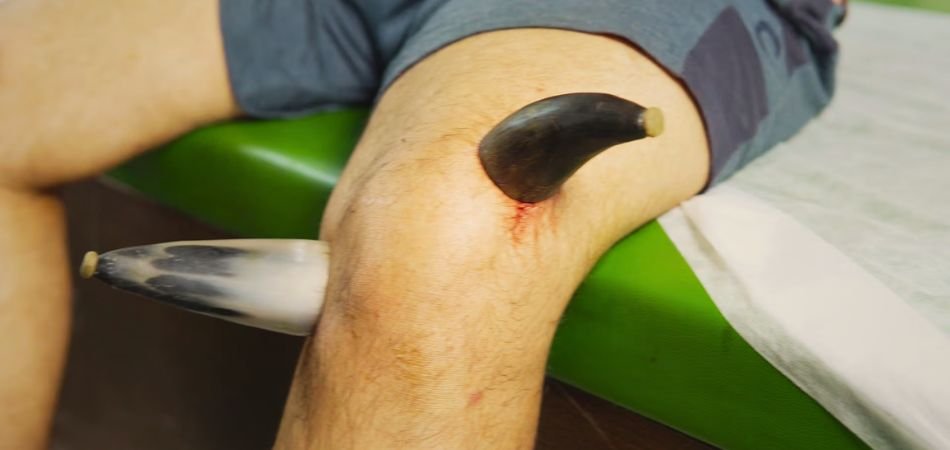
Ancient Ayurveda also mentions Raktamokshana, which used instruments that resembled guards or thorns. This was also known as the horn-based suction method. This was historically given to the patient for bloodletting, according to the doshas. Today, it is not practised that much, but it is still an important part of many Ayurvedic treatments in India.
What is the procedure of Raktamokshana?
Raktamokshana therapy follows different procedures. This depends on which type of Raktamokshana is chosen for the patient. But the most common flow of Raktamokshana is as follows:
1. Body assessment
Before beginning any therapy of Ayurveda, including Raktamokshana treatment, a proper evaluation of the human body is done. This includes identification of dosha imbalance, taking medical history of the patient, checking the strength of the patient, checking the gut health of the patient, severity of the disease, and suitability for Raktamokshana.
2. The phase of preparation
The purvakarma of Raktamokshana includes the various preparatory methods. In which the gut and the diet of the patient are corrected in order to prepare it for bloodletting.
3. The main therapy (Pradhan Karma)
After Purvakarma, the main procedure of bloodletting is performed. In this, only a certain amount of blood in a very controlled way is extracted in order to remove any kind of toxin or vata imbalance from the body. This procedure is checked closely by the Ayurvedic practitioner in order to avoid any excessive blood loss or weakness.
4. Pashchatkarma or post-therapy
After Raktmokshna, it is time for rest and recovery. This includes various post-care procedures to bring the body back to normal. This includes light meals, good hydration, a cold environment, avoiding hectic activities and follow-ups. The physician also offers some medication or herbs in order to recover faster.
What are the benefits of Raktamokshana?
There are different benefits of Raktamokshana therapy. Some of the top benefits that Raktamokshana offers are as follows:
1. Cure of skin problems
Raktamokshana is an ancient and the most effective method to cure any kind of skin-related issues naturally without depending on modern medicines or treatments. Ayurvedic practitioners remove the impure blood from the skin, offering a youthful glow and shine. Raktamokshana helps the best in the case of redness, itching, pimples, acne, breakout, eruption and inflammation.
2. Curing excessive heat in the body
Many times, poor food habits and a sedentary lifestyle lead to excessive pitta in the body. Pitta dosha can result in excessive heat, leading to various heat-related diseases. Raktamokshana aims at offering a cooling and balancing effect to the human body. It helps by removing the excessive heat and pitta from the body, leaving it balanced and healthy.
3. Improves blood circulation
Raktamokshana is used to treat localised congestion that can cause discomfort and excessive pain. Controlled bloodletting is often used to offer good blood flow in the affected area.
4. Cure inflammation. Raktamokshana in Ayurveda helps cure inflammatory diseases that can result from imbalanced doshas or from toxin accumulation in the blood. Raktamokshana helps by reducing discomfort like swelling and irritation in the body.
5. Offers natural detoxification
When ama is accumulated in the body, it can lead to various problems. Piled-up toxins are the major cause of acute and chronic diseases in modern times. This ancient therapy has been used for ages to provide a natural detox. It helps heal the body internally through a sattvic diet, herbs, and lifestyle modifications.
4. Offers overall well-being
Most of the Ayurvedic therapies, including Raktamokshana, do not work for a particular disease. This therapy treats overall health! Raktmokshna treatment is also believed to restore the overall harmony of body, mind, and soul.
What are the side effects of Raktamokshana therapy?
Like other Ayurvedic therapeutic procedures, Raktamokshana may also have some minimal side effects in different people. But these are just temporary discomforts that can occur if the process is not done correctly. In short, if you are taking such therapies from a certified Ayurvedic centre under the guidance of a certified Ayurvedic practitioner, then the chances of any kind of side effects are low to nil.
The possible side effects are as follows:
1. Temporary weakness
Raktamokshana removes a certain amount of blood from your body. Although the blood is impure, it can lead to temporary weakness or tiredness. This improves with rest and care.
2. Mild local pain
The discomfort varies as per the expertise of the therapists and the vitality of the patient. Some patients feel a bit sore or sensitive during the treatment.
3. Local bruising
Some may face minor bruising or sensitivity of the skin that may happen occasionally, but this can also be recovered during the aftercare.
4. Dizziness
Some people can face brief dizziness or lightheadedness if they are physically weak.
5. Infections
This promotes the vitality of taking the treatment from an expert only. If there is poor hygiene during or after the procedure, it can lead to infections.
Who should not take Raktamokshana?
Individuals who should avoid Raktamokshana are as follows:
- People with a weak body build
- People having severe weakness
- Very young individuals
- Pregnant women
- People with low vitality
- People having fear or sensitivity
- People with certain conditions that preclude Raktamokshana
Always make sure that you consult with an Ayurvedic practitioner before taking any kind of therapy. Choose only a certified centre to ensure an appropriate pre- and post-care.
Final Thoughts
Raktamokshana therapy is one of the ancient therapies of Ayurveda. It has been used by various civilisations to offer a healthy living. This is a natural way to remove toxins from the human body. Ayurveda says that excessive toxins and imbalanced doshas can lead to various modern-day ailments. This is why Raktamokshana is used today to address the root cause.
This is not just a physical treatment; it also helps restore the harmony of the human body. If you are interested in learning this wonderful therapy, you may join our Panchakarma course in Rishikesh. We welcome all levels of students.
Comments (0)